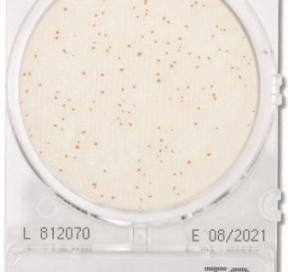
CompactDry YMR Yeast and Mold Rapid - Shimadzu

CompactDry YMR Yeast and Mold Rapid - Shimadzu

CompactDry YMR Yeast and Mold Rapid - Shimadzu

Model: YMR
Code: 54063
Manufacturer: Shimadzu – Janpan

  • Simplified Workflow: The operating procedure is straightforward, requiring minimal supplies or additional equipment.
  • User-Friendly: Easy to operate, significantly reducing the time and cost required for staff training.
  • Convenient Packaging: Compact Dry plates are packaged in sets of 4 per foil pouch, ensuring easy storage and handling.
  • Reliable Results: Delivers dependable, easy-to-read results within 48–72 hours.
  • Downstream Compatibility: Allows for easy colony picking/isolation for further biochemical confirmatory testing.
Download the document
ORDER AND PURCHASE QUICKLY

CompactDry YMR Yeast and Mold Rapid - Shimadzu

Model: YMR
Code: 54063
Manufacturer: Shimadzu – Janpan

Operating Procedure

  • Sample Preparation: Aseptically weigh 10.0g of sample or pipette 10.0ml (for liquid samples) into a sterile container (e.g., sterile bag, dilution bottle, or Whirl-Pak bag).
  • Dilution & Homogenization: Add 90.0ml of diluent to achieve a 1:10 ratio, then homogenize. Adjust the pH if necessary. Common diluents include Butterfield’s Phosphate-Buffered Diluent, Maximum Recovery Diluent (MRD), or other suitable solutions per BAM guidelines.
  • Serial Dilution: If required, perform further dilutions to reach the appropriate concentration.
  • Inoculation: Open the lid of the Compact Dry Yeast and Mold Rapid plate. Use a micropipette to dispense 1.0ml of the diluted sample into the center. The sample will diffuse automatically. Close the lid.
  • Incubation: Invert the plates and incubate under the following recognized standards:

    • AOAC: 25 ± 2°C for 48–72 hours.

    • MicroVal / NordVal: 25 ± 1°C for approximately 3 days.

Interpretation of Results

To ensure statistical reliability, select plates with a colony count between 10–150.

  • Yeast: Colonies typically appear blue, white, or opaque white.
  • Mold: Colonies present a filamentous (fuzzy) appearance with colors characteristic of the specific mold species.

Notes:

  • Color Variation: In certain cases, yeast colonies may not exhibit a blue color.
  • Selectivity: The Compact Dry medium contains antibiotics to inhibit bacterial growth.
  • Overgrowth: If the count exceeds 300 CFU, the entire surface may turn green or blue. In this event, the sample must be further diluted and retested.
  • Disposal: After recording results, sterilize the plates via autoclaving (121°C for 30 minutes) before disposal.
By clicking this button, you authorize METTLER TOLEDO to contact you so that we can fulfill your request and discuss our products and services with you.
zalo
messenger
email
phone